In film, television, podcasts, and online content, music does far more than fill silence. It quietly guides emotion, signals intent, and—most importantly—builds trust. Viewers may not consciously analyze a score, but they feel when music aligns with a story’s emotional truth. When it doesn’t, authenticity erodes instantly.
Music is often the first emotional handshake between creator and audience. Within seconds, it tells the listener whether they are in safe hands. A thoughtful, restrained piano cue can suggest honesty and vulnerability, while an overproduced or mismatched track can feel manipulative or artificial. Trust is fragile, and music plays a central role in either strengthening or breaking it.
Authenticity comes from congruence. When the music reflects the natural rhythm and emotional core of the content, viewers relax. They stop questioning motives and start engaging with the story. This is especially true in documentaries, brand storytelling, and narrative-driven advertising, where audiences are already alert to persuasion. Music that feels “too big” or emotionally heavy-handed can trigger skepticism. Subtlety, by contrast, invites belief.
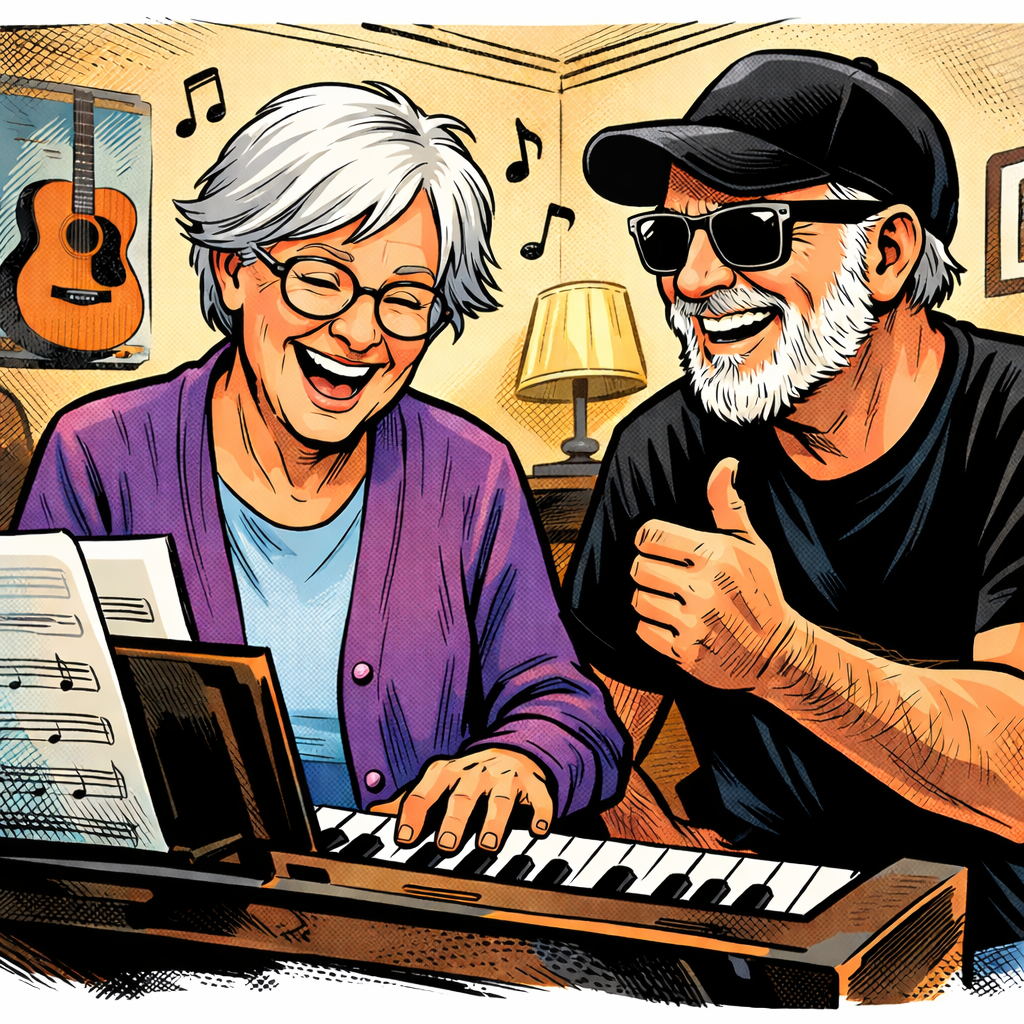
One reason acoustic and minimalist scores are so effective is their human quality. Imperfect timing, natural dynamics, and real instruments signal sincerity. They remind listeners there’s a person behind the message. In a digital world saturated with polish and automation, these organic qualities feel trustworthy. Silence, too, is a powerful tool—allowing moments to breathe can communicate confidence and honesty.
Music also shapes how viewers interpret intention. Major keys, open harmonies, and steady tempos often communicate optimism and reliability. Minor tonalities and slower pacing can convey reflection or seriousness without manipulation when used carefully. Problems arise when music tells viewers how to feel instead of supporting what’s already there. Authentic scoring supports emotion; it doesn’t impose it.
Consistency matters as well. Repeated musical themes help establish identity and reliability. When audiences recognize a musical voice across projects, they form a relationship with it. This is why long-running series, brands, and creators invest in cohesive musical language. Familiarity breeds comfort, and comfort breeds trust.
For content creators, the takeaway is simple but demanding: choose music with intention. Ask not “Is this impressive?” but “Is this honest?” The best music choices often feel inevitable rather than noticeable. They don’t compete with the message—they clarify it.
At its best, music disappears into the experience while shaping it profoundly. It reassures viewers that what they’re seeing is real, considered, and worth their emotional investment. In an era where audiences are quick to disengage, music that fosters trust and authenticity isn’t a luxury—it’s essential.